


Chittagong
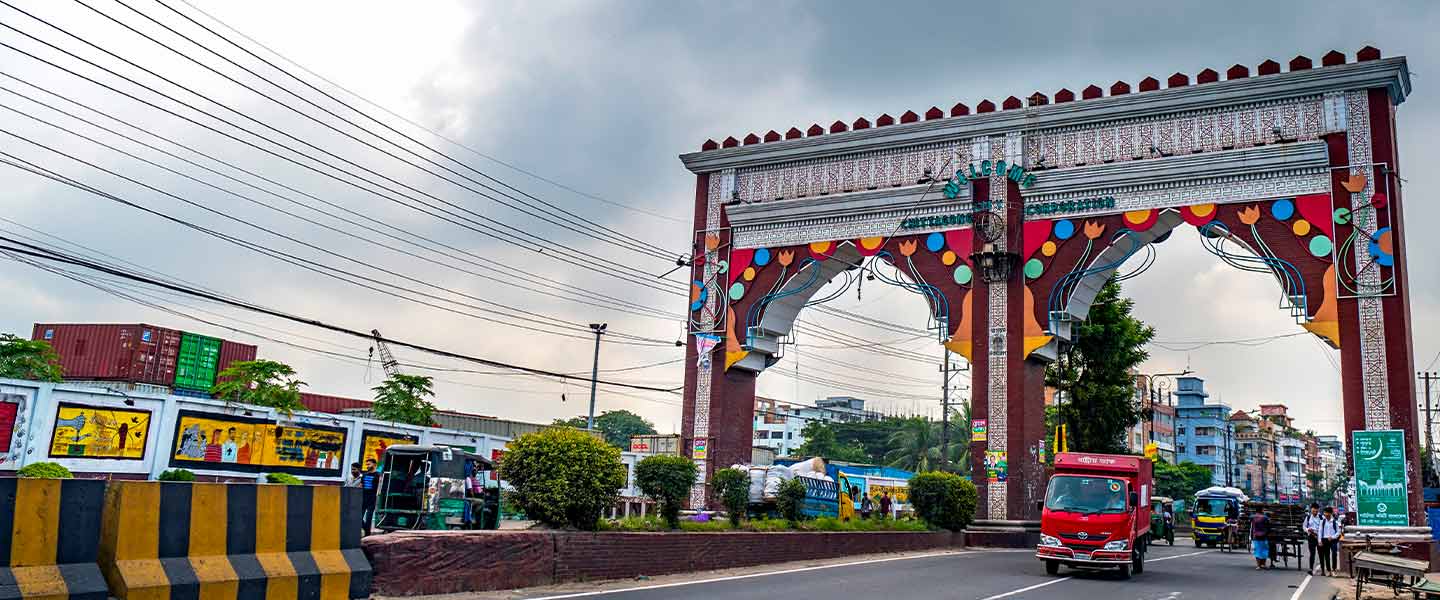
Chittagong
Chittagong is a city where history, culture, and nature come alive together. Known for its ancient seaport, scenic hills, and vibrant cultural mix, it offers a unique blend of heritage and natural beauty—making it a captivating destination for travelers.
Must-see attactions
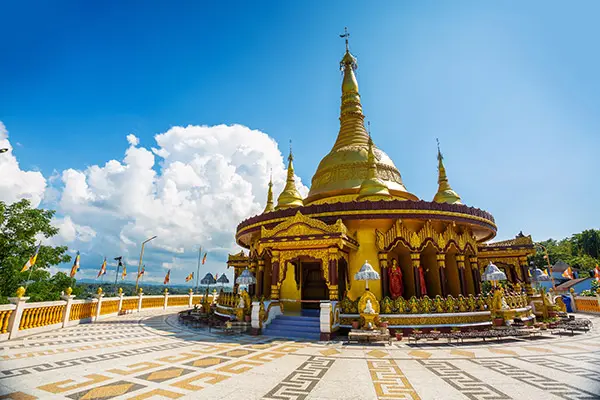
Buddhist Golden Temple
Balaghata, BandarbanIn the quiet hills of Balaghata, a monk from the Bohmong royal family—Ven. U Pannya Jota Mahathera—envisioned a sacred space in the 1990s to preserve and honor the teachings of Buddhism. With a priceless relic of Lord Buddha, gifted by Myanmar's monastic council, he brought this dream to life through the creation of the Golden Temple of Bandarban, or Buddha Dhatu Jadi—a spiritual and cultural landmark that now stands as one of the most iconic sites in the Chittagong Hill Tracts.
Crafted in traditional Arakanese style, the golden pagoda features intricate carvings, a majestic bronze Buddha statue, and sweeping views of Bandarban town and the winding Sangu River. Just beside the temple lies Debota Pukur, a sacred pond believed to never dry—adding to the temple's mystical aura. On full moon nights, the temple comes alive as thousands of clay lamps illuminate its grounds, offering a magical and deeply spiritual experience.
Whether you're drawn by faith, architecture, or the breathtaking hilltop scenery, the Golden Temple is a must-visit destination. It's a place where history, nature, and culture come together—inviting every traveler to pause, reflect, and be inspired.
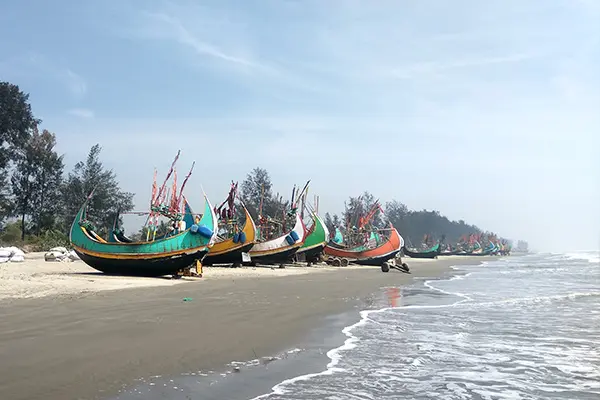
Cox's Bazar
Chattogram DivisionLong ago, in the late 1700s, a British officer named Captain Hiram Cox arrived on the shores of what is now Cox's Bazar. Tasked with bringing peace to a land troubled by conflict between local tribes and refugees fleeing from Burma, his efforts left a lasting mark. Though he passed away before completing his mission, the area was named in his honor, planting the seeds for a town that would grow over centuries.
From a quiet coastal settlement, Cox's Bazar evolved during British colonial times into an important outpost. Its vast, natural sandy beach—the longest in the world—stretches over 120 kilometers along the Bay of Bengal, where waves gently kiss the shore beneath stunning sunrises and sunsets. Even during World War II, this peaceful place played a role as an Allied military base, guarding the strategic coastline.
Today, Cox's Bazar is a must-visit destination in Bangladesh. Whether you're drawn to the endless beach, nearby waterfalls, or cultural sites like the Ramu Buddhist temple, it offers a perfect blend of history, nature, and tranquility that no traveler should miss.
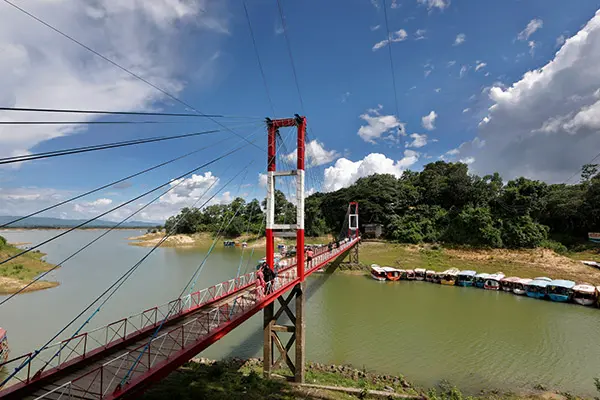
Kaptai
Rangamati DistrictIn the 1960s, the creation of the Kaptai Dam on the Karnaphuli River gave birth to Kaptai Lake, the largest man-made freshwater lake in Bangladesh. This project not only brought hydroelectric power to the region but also transformed the landscape and lives of local indigenous communities like the Chakma and Marma.
Today, Kaptai is a tranquil retreat surrounded by lush green hills and calm waters, especially magical in the early morning mist. Visitors can enjoy boat trips across the lake, discovering floating markets, peaceful tribal villages, and forested islands. The nearby Karnaphuli Hydroelectric Power Station stands as a symbol of progress amid nature's beauty.
Whether you're drawn to its natural serenity or rich cultural heritage, Kaptai offers a unique and relaxing experience — truly a must-visit destination in Bangladesh.

Get More Out of Shohoz with our mobile app
Faster and easier booking
Get alerts before every departure
Easy access to your tickets
Onboard with digital tickets


Shohoz, owned and operated by Shohoj Limited, is Bangladesh's largest online ticket destination, which is committed to making your life convenient, easier and smarter.
